
Introduction
Events, whether large-scale conferences, music festivals, or corporate gatherings, bring people together for a shared experience. However, the very nature of these gatherings also poses inherent risks and security challenges. From crowd management to potential threats, it is essential to have a well-thought-out security plan in place.
Understanding the Importance of Event Security and Risk Management
The evolving landscape of event security.
In recent years, the security landscape for events has evolved significantly. Emerging threats, such as terrorism and active shooter incidents, have highlighted the need for robust security measures. Additionally, issues like crowd control, medical emergencies, and cyber threats have further emphasised the importance of comprehensive event security planning.
Before delving into the specifics of event security planning, it is crucial to identify and understand the potential risks and threats that can arise during an event. These may include:
- Unauthorised access or gate-crashing
- Crowd-related incidents and stampedes
- Theft, vandalism, or property damage
- Medical emergencies and accidents
- Cybersecurity breaches and data theft
- Protest or demonstration disruptions
- Terrorism or targeted attacks
Conducting a Risk Assessment
To effectively manage and mitigate risks at an event, conducting a thorough risk assessment is essential. This process involves identifying potential risks, evaluating their likelihood and impact, and prioritising areas that require attention.
Identifying potential risks and vulnerabilities
A comprehensive risk assessment should involve a systematic review of the event venue, logistics, and other relevant factors. It is necessary to assess vulnerabilities such as entry points, crowd density, equipment installations, and potential hazards.
Assessing the likelihood and impact of risks
Once potential risks are identified, it is crucial to evaluate their likelihood and potential impact on the event and its attendees. This assessment helps in prioritising security measures and allocating resources effectively. Factors such as historical data, threat intelligence, and expert insights can aid in this evaluation process.
Developing an Event Security Plan
With a clear understanding of potential risks, the next step is to develop a comprehensive event security plan. This plan acts as a blueprint for implementing security measures and managing potential risks effectively.
Establishing clear objectives and goals
A well-defined event security plan starts by establishing clear objectives and goals. These objectives may include maintaining a safe environment, preventing unauthorised access, and responding effectively to security incidents. By setting specific goals, organisers can ensure that their security efforts align with the overall event vision.
Formulating a comprehensive security strategy
To address the identified risks and achieve the established objectives, it is essential to formulate a comprehensive security strategy. This strategy should encompass various aspects such as access control, crowd management, emergency preparedness, cybersecurity, and collaboration with local authorities.
Hiring Professional Security Services
Ensuring the safety and security of event attendees requires the expertise and support of professional security services. These trained professionals play a crucial role in implementing security measures and responding to incidents effectively.
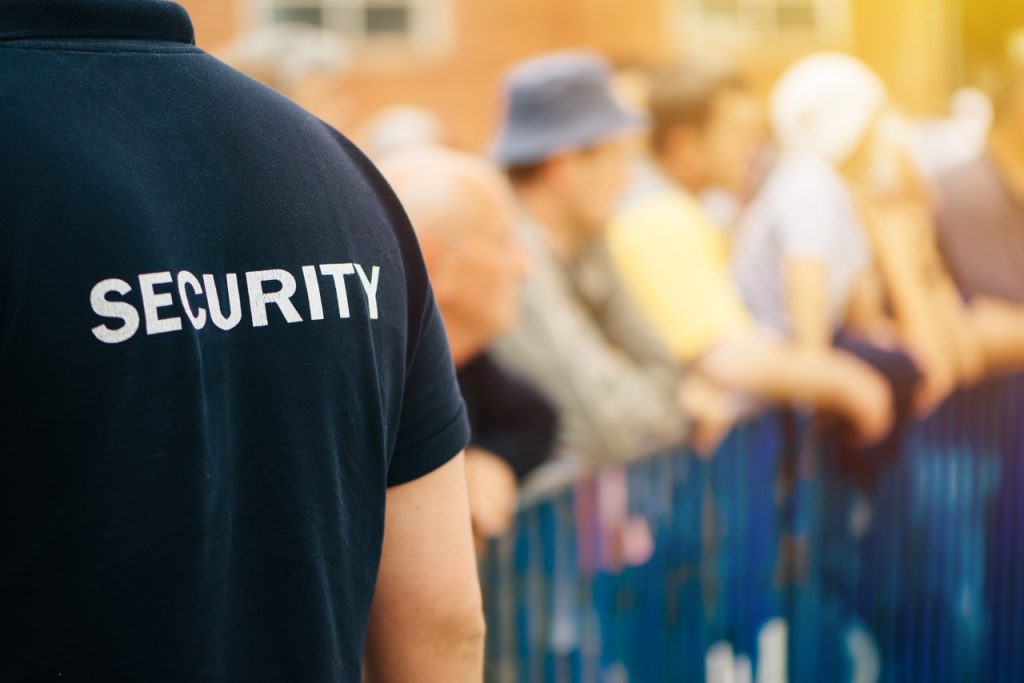
The role of security personnel at events
Security personnel act as the frontline defence in maintaining event security. Their responsibilities may include crowd screening, access control, surveillance, and emergency response. Their presence alone can serve as a deterrent to potential threats and help maintain order and safety.
Choosing the right security provider
When selecting a security provider for an event, it is essential to consider their experience, expertise, and reputation. Conducting due diligence, checking references, and reviewing past performance can help in making an informed decision. Collaborating with a reputable security provider ensures that the event is in capable hands.
Implementing Access Control Measures
One of the fundamental aspects of event security is controlling access to the venue and ensuring that only
authorised individuals are present.

Managing attendee access and screening
Implementing effective access control measures involves verifying attendee credentials, tickets, or badges at designated entry points. This can be done through manual checks, electronic ticket scanners, or RFID-based systems. Additionally, bag checks and metal detectors can be used to screen for prohibited items that may pose a threat.
Utilising technology for enhanced security
Leveraging technology can significantly enhance access control measures. Biometric identification systems, such as fingerprint or facial recognition scanners, provide a high level of accuracy and prevent unauthorised access. Video surveillance systems and smart sensors can also be deployed to monitor crowd movement and detect suspicious activities.
Crowd Management and Emergency Preparedness
Efficient crowd management is crucial to ensure the safety and well-being of attendees during an event. Additionally, having well-defined emergency preparedness plans can minimise the impact of unforeseen incidents.

Ensuring smooth crowd flow and safety
Proper crowd management involves strategies to control and direct the flow of attendees. This includes designing clear pathways, implementing crowd control barriers, and assigning trained staff to manage crowds effectively. Understanding crowd dynamics and implementing crowd flow analysis can help organisers identify potential bottlenecks and take proactive measures.
Creating emergency response protocols
No matter how well an event is planned, emergencies can still occur. Having well-defined emergency response protocols in place is essential to handle incidents swiftly and effectively. This includes establishing communication channels, designating emergency exits, and training staff on emergency procedures such as evacuation and first aid.
Cybersecurity and Data Protection
In today’s digital age, events are not only vulnerable to physical threats but also to cyber threats. Protecting sensitive information and data is paramount to maintaining event security.
Protecting sensitive information and data
Event organisers collect and store a significant amount of sensitive information, including attendee details, financial data, and proprietary information. Implementing robust cybersecurity measures, such as encryption, secure networks, and firewalls, helps safeguard this information from unauthorised access or data breaches.
Safeguarding against cyber threats
Cyber threats can include hacking attempts, phishing attacks, ransomware, and identity theft. Event organisers should educate staff and attendees about cybersecurity best practices, such as using strong passwords, avoiding suspicious links or attachments, and keeping software and systems up to date. Regular cybersecurity audits and penetration testing can identify vulnerabilities and ensure the implementation of necessary safeguards.
Collaborating with Local Authorities and Emergency Services
Effective collaboration with local authorities and emergency services is vital for event security and response coordination.

Establishing effective communication channels
Maintaining open lines of communication with local law enforcement agencies, fire departments, and medical services is crucial. This collaboration allows for timely sharing of information, coordination of resources, and quick response in case of emergencies or security incidents.
Coordinating emergency response efforts
Event organisers should establish protocols for collaborating with local emergency services during an event. This may involve conducting joint exercises, sharing event plans, and coordinating response procedures. A clear understanding of roles and responsibilities ensures a coordinated and effective response to any security or emergency situation.
Training Staff and Volunteers
Well-trained staff and volunteers are a valuable asset when it comes to event security and risk management. Providing them with the necessary training empowers them to handle security incidents and support overall event safety.
Providing security and emergency response training
Security personnel, event staff, and volunteers should undergo comprehensive training in security protocols, emergency response procedures, and conflict resolution techniques. This training equips them with the knowledge and skills to identify and respond to potential threats, effectively manage crowds, and handle emergency situations.
Empowering staff to handle security incidents
Apart from formal training, staff and volunteers should be encouraged to report suspicious activities or security concerns promptly. Establishing clear channels for communication and providing them with the authority to take appropriate action ensures a proactive approach to event security.
Testing and Rehearsing Security Measures
The effectiveness of event security measures can only be gauged through regular testing and rehearsals.
Conducting drills and simulations
Organising drills and simulations allows event organisers to assess the effectiveness of their security plans and identify areas for improvement. Simulating various scenarios, such as a medical emergency or security breach, helps staff and volunteers understand their roles, fine-tune response procedures, and build confidence in handling such situations.
Identifying areas for improvement
Post-drill evaluations provide valuable insights into the strengths and weaknesses of the security plan. Organisers can identify areas that need improvement, adjust protocols, and enhance security measures based on these evaluations.
Monitoring and Surveillance
Continuous monitoring and surveillance play a vital role in maintaining event security and deterring potential threats.
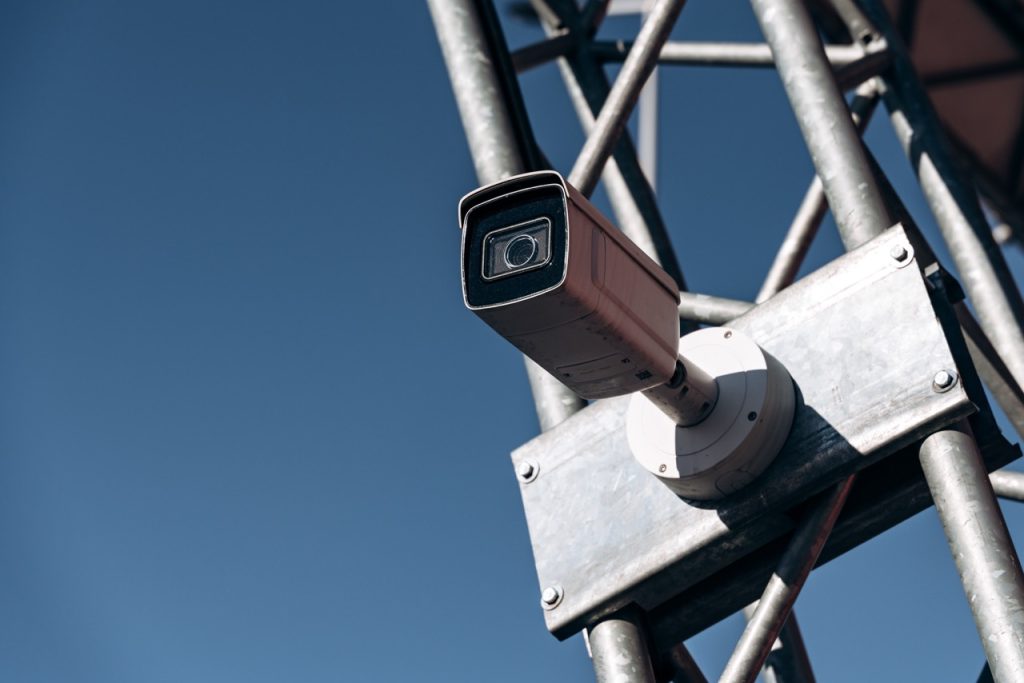
Utilising CCTV systems and surveillance technology
Installing closed-circuit television (CCTV) systems strategically throughout the event venue enhances surveillance capabilities. Surveillance technology, such as facial recognition systems or video analytics, can provide real-time monitoring and alert authorities of any suspicious activities.
Maintaining constant vigilance during events
Event security is not a one-time setup; it requires ongoing vigilance throughout the event. Security personnel should be vigilant in monitoring attendee behaviour, identifying potential risks, and responding promptly to any security concerns.
Evaluating and Updating Security Protocols
Post-event evaluation and the incorporation of lessons learned into future security plans are critical for continuous improvement.
Post-event debriefing and evaluation
Conducting a thorough debriefing and evaluation session with key stakeholders and security personnel allows for a comprehensive assessment of the event’s security performance. This evaluation should include feedback on the effectiveness of security measures, response times, communication protocols, and any incidents or challenges encountered during the event. Gathering input from all stakeholders helps identify areas that require improvement or adjustment.
Incorporating lessons learned into future plans
The insights gained from the post-event evaluation should be used to update and enhance future security protocols. Lessons learned can inform adjustments to access control measures, emergency response procedures, staff training, or technology utilisation. By continuously improving security plans based on past experiences, event organisers can stay ahead of potential risks and ensure the safety of attendees.
Public Communication and Crisis Management
Effective communication and crisis management are vital components of event security. Properly managing communication with attendees, media, and the public can help maintain calm and provide accurate information during security incidents or crises.
Developing a crisis communication strategy
A well-defined crisis communication strategy outlines how information will be disseminated to different stakeholders during an event. This includes creating clear communication channels, designating spokespersons, and establishing protocols for sharing updates and instructions in a timely and accurate manner.
Handling media inquiries and public relations
In the event of a security incident or crisis, the media and the public will seek information and updates. Event organisers should have designated individuals trained to handle media inquiries, providing consistent and accurate information while managing public relations effectively. This helps maintain control over the narrative and ensures that accurate information is shared promptly.
Conclusion
Creating safe and secure events requires meticulous planning, comprehensive risk assessments, and the implementation of robust security measures. From conducting risk assessments to hiring professional security services, implementing access control measures, and training staff, every aspect plays a crucial role in ensuring event security and risk management. By prioritising event security, organisers can create an environment where attendees can enjoy their experience while feeling safe and protected.