
In the world of event production, innovation and technology have always played significant roles in shaping the way events are planned, executed, and experienced. As we step into the future, new advancements are poised to revolutionise the industry even further. From virtual reality to artificial intelligence, here are some emerging technologies and trends that are set to redefine the landscape of event production.
Immersive Experiences: Capture Your Audience
Capturing and maintaining the attention of your attendees is crucial in creating a magical experience for them. To truly make an impact and create memorable experiences, you need to turn to immersive technologies that go beyond the traditional boundaries of engagement. By creating immersive experiences, you have the power to transport your audience into new worlds, captivate their senses, and leave a lasting impression.
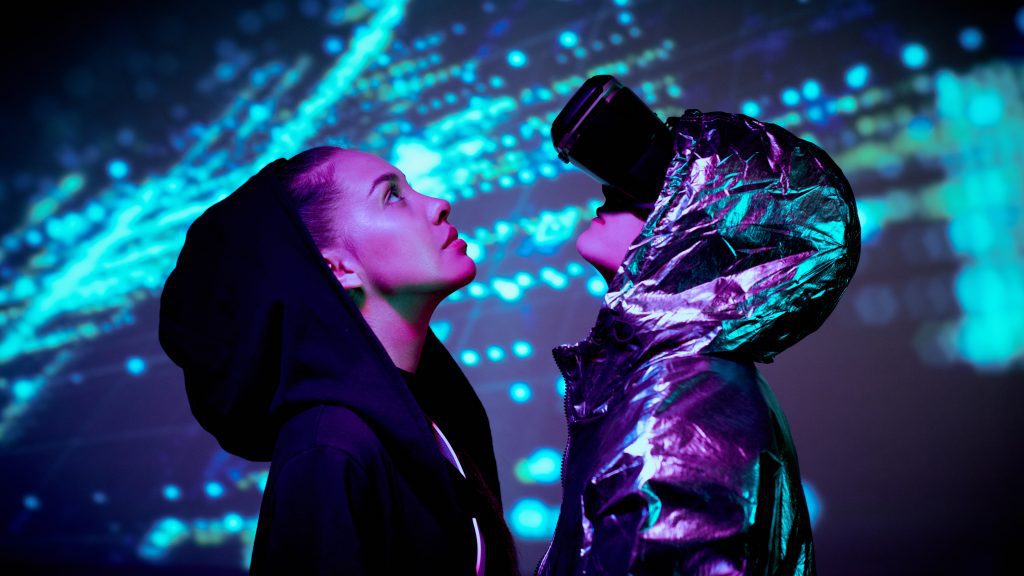
Virtual and Augmented Reality
Virtual Reality (VR) and Augmented Reality (AR) are set to become game-changers in event production. VR can transport attendees to completely virtual environments, enabling them to participate in events from anywhere in the world. Imagine attending a conference or concert from the comfort of your living room, yet feeling like you’re right there in the midst of the action.
On the other hand, AR overlays digital content onto the real world, enhancing attendees’ physical experiences. It can be utilised for interactive exhibitions, trade shows, and brand activations, adding an extra layer of excitement and engagement.
Virtual Reality and Augmented Reality can enhance your events in a number of ways:
• Virtual Event Environments: VR can transport attendees to virtual event environments that mimic real-world venues or entirely new and imaginative spaces. By wearing VR headsets, attendees can explore virtual exhibition halls, conference rooms, or concert venues. This immersive experience allows them to interact with digital content, view 3D visualisations, and even engage with virtual avatars of speakers, exhibitors, or other attendees.
• Virtual Tours and Demonstrations: VR can provide virtual tours of real-world locations, giving attendees the opportunity to explore remote or inaccessible places. For example, in a trade show or exhibition, attendees can virtually visit a factory, a research facility, or an architectural project. Likewise, VR can be used for product demonstrations, allowing attendees to experience and interact with products in a virtual setting.
• 360-Degree Video Experiences: 360-degree videos, when viewed through VR headsets or on AR-enabled devices, immerse audiences by offering a panoramic view of an event or a specific location. Attendees can feel as though they are physically present at the event, with the ability to look around and experience the surroundings from any angle. This technology is particularly useful for capturing and reliving the atmosphere of live performances, conferences, or scenic locations.
• Immersive Presentations and Performances: VR and AR can enhance presentations and performances by adding immersive visual effects or interactive elements. Speakers can utilise VR to showcase 3D models, data visualisations, or animated content, enabling attendees to engage with the information in a more dynamic and immersive manner. AR can be used to augment live performances with digital overlays, creating visually stunning and interactive experiences for the audience.
AI-Driven Personalisation
Artificial Intelligence (AI) is rapidly transforming event production by offering highly tailored experiences for attendees. From chatbots that answer queries and provide event information in real-time to AI-powered recommendation engines that suggest relevant sessions and activities based on attendees’ preferences, AI is streamlining and enhancing the event journey.
AI-driven analytics can help organisers gain valuable insights into attendees’ behaviour, enabling them to optimise event layouts, schedules, and offerings to better cater to their audience’s needs.
Here are some ways AI can help immerse your audience:
• Smart Recommendations: AI algorithms can analyse attendee preferences, past interactions, and behavioural data to provide personalised recommendations for sessions, workshops, exhibitors, or networking opportunities. By understanding attendees’ interests and preferences, AI-driven systems can suggest relevant content, helping attendees navigate the event program and make the most out of their time.
• Intelligent Chatbots: AI-powered chatbots can be integrated into event apps or websites to provide instant assistance and answer attendees’ questions in real-time. Chatbots utilise natural language processing and machine learning to understand and respond to inquiries, offering personalised recommendations, event information, directions, and even facilitating scheduling or registration processes. This provides attendees with on-demand support and improves their overall event experience.
Seamless Communication and Interaction with 5G
The widespread adoption of 5G technology will revolutionise event connectivity. With its significantly faster data transfer speeds and reduced latency, 5G will enable seamless communication and interaction during events.
From real-time streaming and high-quality video conferencing to interactive AR and VR experiences, 5G will open up a world of possibilities for event organisers to deliver cutting-edge experiences and engage attendees like never before.
Hybrid Events: The Best of Both Worlds
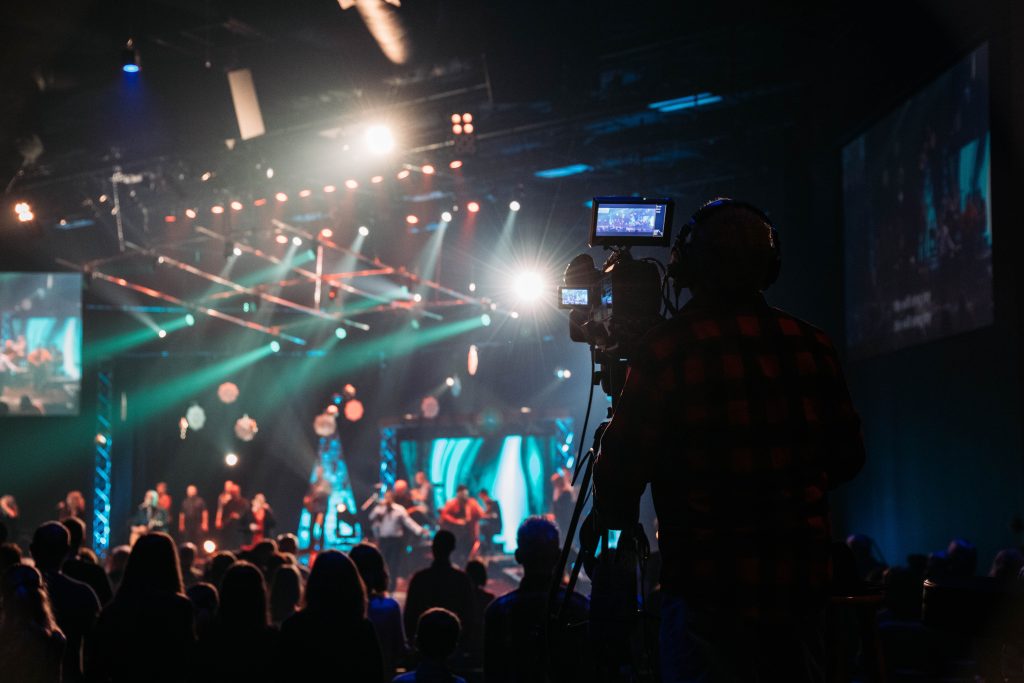
The rise of remote work and the adoption of virtual event platforms during the pandemic have paved the way for the rise of hybrid events. These events combine the best aspects of in-person and virtual experiences, catering to both physical attendees and remote participants.
Hybrid events provide a unique opportunities, such as:
• Reaching a Broader Audience: One of the key advantages of hybrid events is their ability to extend the event’s reach beyond physical boundaries. By incorporating virtual components, organisers can attract attendees from around the globe who may not have been able to attend in person due to travel constraints, time limitations, or other factors. This broader audience brings diverse perspectives, expands networking opportunities, and enriches the overall event experience.
• Flexibility for Attendees: Hybrid events provide attendees with the flexibility to choose how they want to participate. Some individuals may prefer the immersive experience of attending in person, while others may opt for the convenience and comfort of virtual attendance. Hybrid events accommodate both preferences, allowing attendees to tailor their participation based on their availability, location, or personal circumstances. This flexibility fosters higher attendance rates and ensures a more inclusive event environment.
• Enhancing Engagement and Interactivity: By integrating virtual elements into a hybrid event, organisers can enhance attendee engagement and interactivity. Virtual attendees can participate in live polls, submit questions for speakers, and engage in real-time discussions through dedicated digital platforms. This integration of virtual tools and interactive features creates a dynamic environment where both physical and virtual participants can actively contribute to the event’s success. Additionally, networking opportunities can be expanded through virtual breakout sessions, online matchmaking, and one-on-one video meetings, further fostering connections among attendees.
• Blending Physical and Virtual Experiences Seamlessly: Successful hybrid events seamlessly integrate physical and virtual experiences, ensuring a cohesive and unified event journey for all participants. This requires careful planning, leveraging technology, and creating a consistent brand experience across all platforms. By investing in high-quality audiovisual equipment, reliable virtual event platforms, and skilled production teams, organisers can bridge the gap between physical and virtual spaces, making the event feel cohesive and engaging for both types of attendees.
Gamification: Turning Events into Fun and Rewarding Experiences
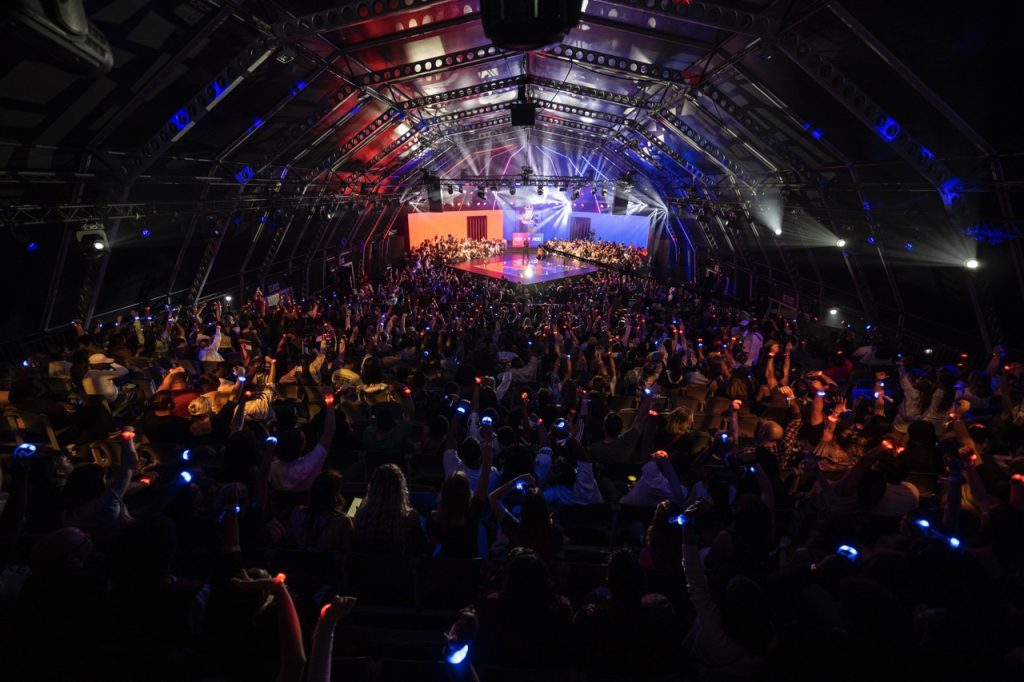
Gamification involves incorporating game-like elements, such as challenges, quizzes, and competitions, into the event experience. Attendees are encouraged to actively participate, earn points, and unlock rewards based on their interactions and achievements. This approach fosters friendly competition and motivates attendees to explore various event offerings while having fun along the way.
Gamification can be applied to various aspects of events, including:
• Learning sessions: Make learning sessions more interactive by incorporating gamified elements. This can include live polling and quizzes during presentations, where attendees earn points for answering questions correctly. Display a real-time leaderboard to add a competitive element and recognise the top performers.
• Social Media Engagement: You can encourage attendees to share their event experiences on social media by creating a social media contest. Ask attendees to post photos, videos, or thoughts about the event using a specific hashtag. Recognise and reward the most creative or impactful posts, fostering a sense of community and excitement.
• Networking activities: Gamify networking activities by introducing a digital business card exchange. Attendees can collect virtual business cards from others they meet and earn points for connecting with a certain number of individuals. Offer rewards for networking achievements, such as the most connections made or the most diverse network.
By integrating gamified elements, organisers can boost attendee engagement, foster networking opportunities, and promote brand awareness.
In Conclusion
As the event production industry moves into the future, emerging technologies are set to transform the way events are planned, executed, and experienced. Virtual and Augmented Reality will provide immersive experiences, while AI-driven personalisation will tailor events to individual preferences. Hybrid events will blend physical and virtual aspects, and sustainability will take centre stage as eco-consciousness becomes a top priority. Lastly, the widespread adoption of 5G will usher in a new era of seamless connectivity.
In this rapidly evolving landscape, event professionals need to embrace these emerging technologies and trends to stay ahead of the curve and deliver exceptional experiences. By harnessing the power of innovation, the future of event production holds exciting possibilities and endless opportunities for creativity and engagement.