
In a world saturated with advertisements and digital noise, creating memorable and engaging event experiences has become essential for brands to stand out and connect with their audience. Experiential marketing, also known as engagement marketing, is a powerful strategy that focuses on immersing consumers in memorable and interactive experiences. In this blog, we will explore the key concepts and strategies behind experiential marketing and how it can be leveraged to create lasting impressions at events.
Understanding Experiential Marketing
What is Experiential Marketing?
Experiential marketing is a marketing strategy that goes beyond traditional advertising by creating immersive, memorable, and interactive brand experiences. It aims to engage the senses and emotions of consumers, fostering a deeper connection with the brand. These experiences can take place at events, pop-up stores, product launches, and even online.
The Importance of Emotional Connection
One of the primary goals of experiential marketing is to establish an emotional connection with the audience. When people have a positive emotional experience with a brand, they are more likely to become loyal customers and advocates. Events provide an ideal platform for creating these emotional connections.
Benefits of Experiential Marketing
Before delving into the specifics of creating engaging event experiences, let’s explore the benefits of experiential marketing:
- Higher Engagement: Experiential marketing captures the audience’s attention and keeps them actively involved, leading to higher engagement levels.
- Memorable Moments: Immersive experiences create lasting memories, making it more likely for consumers to recall and talk about your brand.
- Authentic Connection: By allowing consumers to interact with your brand in meaningful ways, you establish a genuine connection that fosters brand loyalty.
- Data Insights: Experiential events generate valuable data on consumer behavior and preferences, enabling you to refine your marketing strategies.
Planning Your Experiential Event
Define Your Goals and Audience
Before embarking on your experiential marketing journey, it’s essential to lay a strong foundation by defining your event’s goals and understanding your target audience. This foundational step ensures that your efforts are aligned with a clear purpose and are tailored to resonate with the right people. Here’s a more in-depth look at these considerations:
Event Goals: Start by identifying what you want to achieve with your event. Are you aiming to increase brand awareness, promote a new product, build customer loyalty, or something else entirely? Clearly defined goals provide a roadmap for the entire experiential marketing strategy.
Target Audience: Understanding your audience is equally vital. Who are the people you want to reach and engage at your event? Develop detailed personas to gain insights into their demographics, interests, pain points, and motivations. This knowledge will guide your event planning, content creation, and engagement strategies.
By aligning your event goals with a deep understanding of your target audience, you set the stage for a more focused and effective experiential marketing campaign.
Crafting Immersive Experiences
The core of experiential marketing lies in creating captivating and immersive experiences that go beyond the ordinary. These experiences should stimulate the senses, spark emotions, and leave a lasting impact on attendees. Here’s how you can achieve this:
Interactive Installations: Consider incorporating interactive installations that invite attendees to actively participate. These can range from touch-screen displays and interactive art installations to gamified experiences that challenge and entertain.
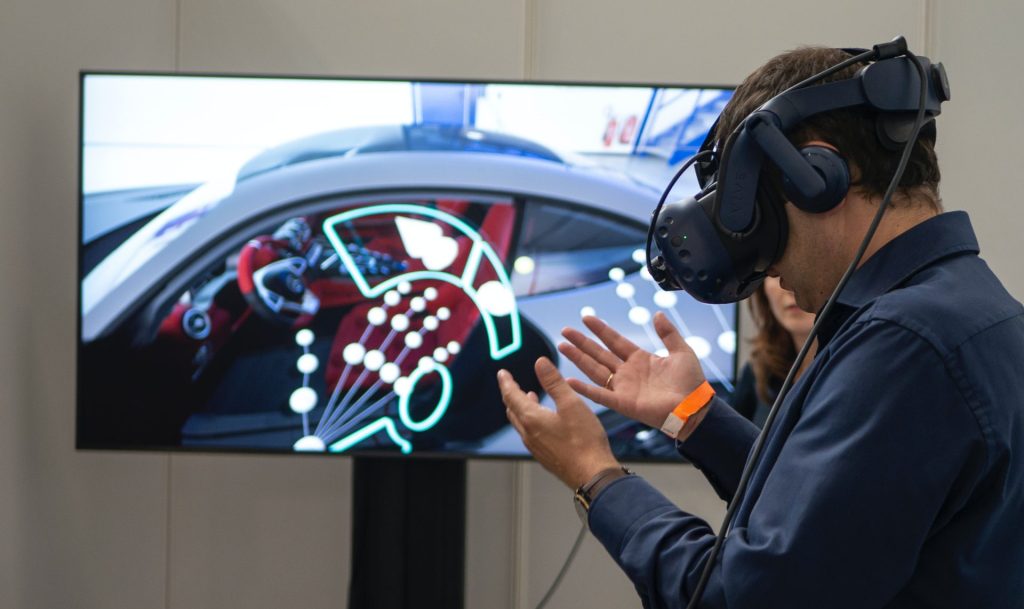
VR Simulations: Virtual reality (VR) simulations can transport attendees to virtual worlds aligned with your brand’s message. Whether it’s a virtual tour of your production facilities or an immersive storytelling adventure, VR can engage attendees on a profound level.
Live Performances: Live performances, such as music, dance, or theater, can add a dynamic element to your event. These performances can be carefully curated to align with your brand and the event’s theme, enhancing the overall experience.
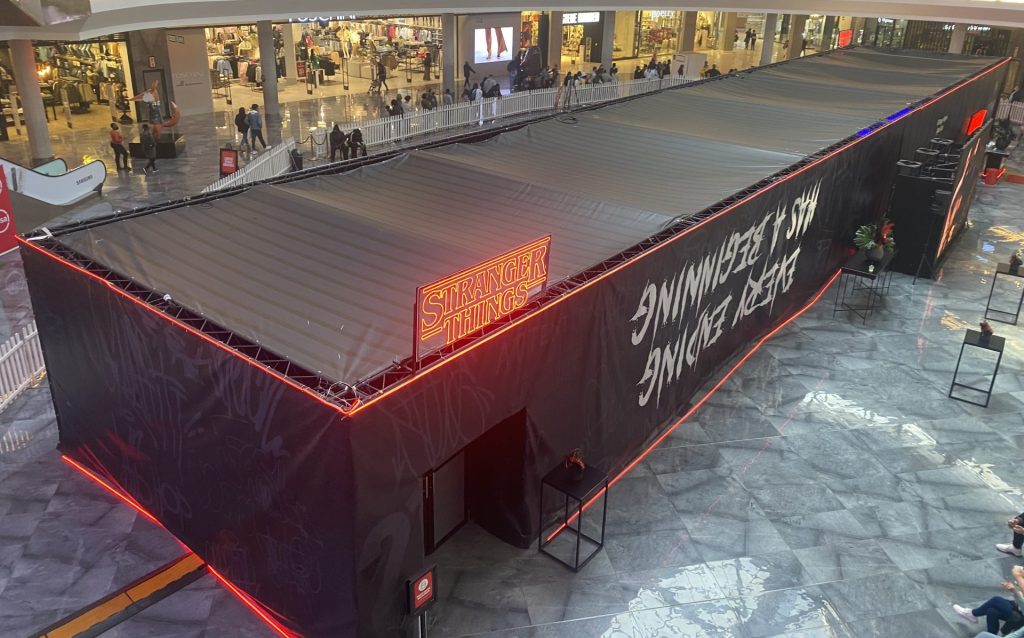
Themed Environments: Create themed environments that immerse attendees in a different world. These environments can be meticulously designed to match your brand’s aesthetics and message, allowing attendees to step into your brand’s universe.
The key is to make attendees active participants rather than passive observers. By designing experiences that captivate the senses and encourage interaction, you create an event that attendees won’t soon forget.
Storytelling and Brand Integration
Effective experiential marketing is not just about creating memorable moments; it’s about telling a compelling story that resonates with your brand’s values and messaging. Here’s how to ensure seamless integration of your brand into the event’s narrative:
Narrative Alignment: Craft a narrative that aligns seamlessly with your brand’s mission, vision, and values. Ensure that every aspect of the event, from the decorations and activities to the messaging and visuals, reinforces this narrative.
Brand Storytelling: Storytelling is a powerful tool for emotional connection. Share your brand’s story in a way that engages attendees emotionally. Highlight the journey, the people behind the brand, and the impact it has on customers’ lives.
Consistency: Maintain consistency in messaging and branding throughout the event. Cohesion in visual elements, tone of voice, and the overall experience reinforces your brand’s identity and message.
By weaving your brand into the event’s narrative, you create an authentic and meaningful connection with attendees, leaving a lasting impression.
Leveraging Technology
In the digital age, technology plays a pivotal role in enhancing experiential marketing. Here’s how you can leverage technology to create more engaging event experiences:
Augmented Reality (AR): AR can be used to overlay digital information or experiences onto the physical world. Create AR experiences that provide additional information, gamify the event, or offer interactive elements accessible through smartphones or AR glasses.
Virtual Reality (VR): VR takes attendees on immersive journeys to virtual worlds related to your brand or message. Consider VR simulations, tours, or experiences that allow attendees to explore concepts in depth.
QR Codes: Implement QR codes strategically throughout the event space. These codes can lead to interactive content, exclusive offers, or surveys, enhancing attendee engagement.
Live Streaming and Social Media Integration: Use live streaming technology to broadcast key moments of your event to a wider online audience. Encourage attendees to share their experiences on social media platforms, extending the reach of your event beyond its physical location.
Executing Your Event
With the planning stage complete, it’s time to execute your experiential event. Here are some essential considerations and strategies to ensure the success of your event:
Seamless Logistics
One of the cornerstones of a memorable experiential event is seamless logistics. Attendees should effortlessly navigate every aspect of the event without encountering any hiccups. Here’s how to make that happen:
- Registration and Ticketing: Set up a streamlined registration process. Consider offering early check-in options for attendees to reduce wait times on the event day. Digital ticketing and QR code scanners can expedite entry.
- Food and Beverage: Whether you’re offering gourmet meals or simple snacks, ensure that the food and beverage service runs smoothly. Cater to various dietary preferences, allergies, and restrictions. Also, consider incorporating unique culinary experiences that align with your brand.
- Security and Safety: Prioritise the safety and comfort of your attendees. Have a well-trained security team in place to handle any potential issues discreetly. Make sure there are clearly marked emergency exits and first-aid stations.
A well-organised event sets the stage for a positive and stress-free experience, allowing attendees to fully immerse themselves in your brand’s narrative.
Staff Training
Your event staff plays a pivotal role in creating a lasting impression. They are the face of your brand during the event, and their interactions can significantly impact attendee engagement. Here’s how to ensure your staff contributes to a successful event:
- Brand Knowledge: Train your staff comprehensively about your brand, its values, and the products or services being featured at the event. They should be able to answer questions, provide insights, and share compelling stories related to your brand.
- Friendly and Informed: Encourage your staff to be approachable and friendly. A warm greeting and a genuine smile can go a long way in making attendees feel welcome and valued. Ensure that they are approachable and open to engaging in meaningful conversations.
- Problem-Solving Skills: Equip your staff with problem-solving skills. They should be able to address attendee concerns promptly and professionally. This includes resolving issues related to ticketing, seating, or any other logistical matters.
- Consistency: Maintain a consistent brand voice and image across all staff interactions. From the registration desk to the event floor, attendees should experience a cohesive and unified brand message.
Your staff should serve as brand ambassadors, enhancing the overall experience and reinforcing the brand’s identity.
Social Media Integration
In today’s digital age, leveraging social media is crucial to extending the reach and impact of your experiential event. Here’s how to effectively integrate social media into your event:
- Event-Specific Hashtags: Create a unique and memorable event-specific hashtag. Promote it prominently throughout the event space and in event materials. Encourage attendees to use it in their social media posts. This not only helps in tracking online engagement but also fosters a sense of community among attendees.
- Instagram-Worthy Moments: Design key areas within your event that are visually appealing and shareable on platforms like Instagram. These could be captivating decor, interactive installations, or picturesque backdrops. Encourage attendees to snap and share photos, tagging your event and using the event-specific hashtag.
- Live Updates: Provide real-time updates and coverage of the event on your brand’s social media channels. Share behind-the-scenes glimpses, live interviews with speakers or performers, and highlights from attendee experiences. Engage with your online audience by responding to comments and messages promptly.
Harnessing the power of social media amplifies your event’s impact, extends its reach, and creates a digital buzz that can continue long after the event concludes.

Post-Event Follow-Up
The event experience doesn’t end when attendees leave; it extends into the post-event phase. Here’s how to maintain engagement and build on the positive impressions created during the event:
- Personalised Thank-You Messages: Send personalised thank-you messages to attendees. Express gratitude for their participation and support. Mention specific elements of the event they engaged with or appreciated. Personalisation shows that you value their individual experiences.
- Request for Feedback: Seek feedback from attendees about their event experience. This can be done through surveys, email requests, or social media polls. Use their feedback to make improvements for future events. Engage with attendees in a conversation about their suggestions and ideas.
- Content Sharing: Continue to share event-related content in the days and weeks following the event. This could include post-event videos, photo albums, and blog posts that recap the highlights. Encourage attendees to revisit their own experiences by sharing these materials.
- Sneak Peeks and Teasers: Provide sneak peeks or teasers of what’s in store for the next event. Building anticipation and excitement early on can help retain attendee interest and loyalty.
By extending the event experience through thoughtful post-event engagement, you can foster a lasting connection with attendees and set the stage for their participation in future events.
Incorporating these strategies into your event execution plan can elevate your experiential marketing efforts, creating a truly immersive and memorable experience for attendees while strengthening their connection with your brand.
Conclusion
In conclusion, experiential marketing offers a dynamic and effective approach to engage your target audience and create memorable event experiences. By carefully planning, executing, and measuring your events, you can build authentic connections with your audience, drive brand loyalty, and achieve your marketing objectives. Embrace the power of experiential marketing and watch your brand come to life in the hearts and minds of your customers.