
Large-scale events, whether they be corporate conferences, music festivals, or international exhibitions, are complex undertakings that require meticulous planning, exceptional coordination, and an unwavering commitment to success. In this blog, we, as experienced professionals in the field of event logistics and management, will dive into the intricacies of navigating the challenges posed by large-scale events. We’ll explore the critical aspects of event logistics and provide insights into how to ensure seamless execution, leaving you well-equipped to tackle even the most ambitious of projects.
Defining Large-Scale Event Logistics
Large-scale events come in various forms, each with its unique set of requirements and challenges. From trade shows to marathons, managing logistics for these events can be a daunting task. But before we dive into the details of how to navigate these challenges, it’s essential to define what we mean by “event logistics.”
Event logistics encompass the comprehensive planning, coordination, and execution of all activities and resources required to ensure a successful event. This includes everything from venue selection and setup to transportation, accommodation, security, and communication. These logistics must align with the event’s goals and objectives, providing a seamless experience for attendees and stakeholders.
The Key Elements of Successful Event Logistics
To effectively navigate the challenges of large-scale event logistics, you must pay careful attention to several critical elements. These elements are the backbone of any well-executed event:
Precise Planning
Successful event logistics begin with meticulous planning. This involves setting clear objectives, establishing budgets, and creating comprehensive timelines. Your plan should cover every aspect of the event, from pre-event marketing to post-event evaluations. Pay careful attention to detail. Work with a dedicated team to ensure that nothing is overlooked. Keep communication channels open and flexible to accommodate changes and updates as your event evolves.
Venue Selection and Setup
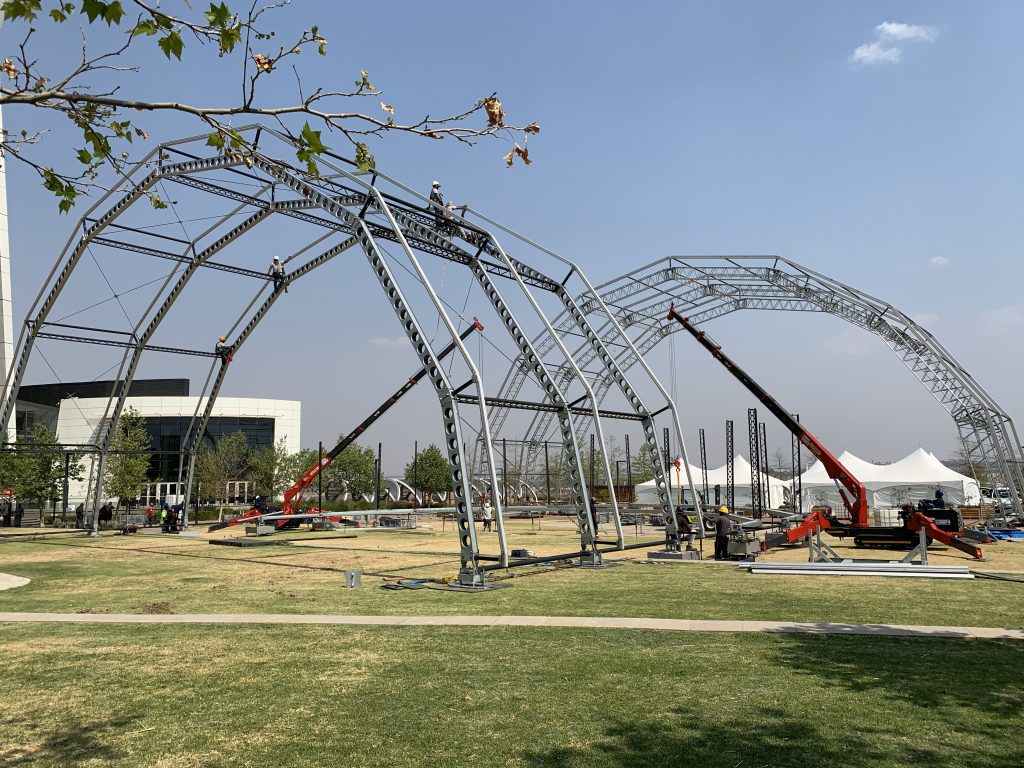
Selecting the right venue is crucial to the success of any large-scale event. The venue must align with your event’s size, theme, and logistical requirements. Proper setup includes layout design, seating arrangements, stage construction, and more. Start venue selection early, considering factors like location, accessibility, and amenities. Ensure the venue can be transformed to fulfil your event’s vision. Collaborate with experienced event designers and contractors to make your vision a reality.
Transportation and Accommodation
Ensuring attendees and participants can reach the event location conveniently is important. Coordinating transportation, including shuttles, parking, and, in some cases, accommodation, is integral to a smooth and hassle-free experience for all involved. Partner with transportation providers to offer a range of options for attendees, including shuttles, public transportation, and ample parking. For multi-day events, consider negotiating accommodation packages with local hotels to simplify attendees’ stay.
Safety and Security
Large-scale events often attract diverse crowds, making safety and security paramount. This entails hiring professional security teams, implementing access controls, and developing contingency plans for emergencies. Work closely with experienced security providers who understand the unique challenges of large events. Ensure that access points are well-monitored, and emergency response plans are communicated clearly to all staff. Run security drills and briefings to prepare for potential incidents.
Communication
Effective communication is essential for coordinating with vendors, suppliers, and attendees. Without it, logistical elements can fall apart. Establish clear communication channels and designate responsible team members for each aspect of the event. Embrace technology, such as event management software and mobile apps, to streamline communication and provide real-time updates.
Supplier and Vendor Management
Engaging with reliable suppliers and vendors is crucial for the smooth execution of your event. From catering services to equipment rentals, efficient management of these partnerships ensures that everything runs like clockwork. Develop strong relationships with your suppliers and vendors. Prioritise open communication and clear expectations in contracts. Regularly review their performance and make adjustments as necessary.
Challenges in Large-Scale Event Logistics
Navigating the complexities of large-scale event logistics is not without its challenges. Here are some common obstacles you may encounter:
Unforeseen Weather Conditions
Mother Nature can be unpredictable, particularly for outdoor events. Adverse weather conditions like rain, storms, or extreme heat can disrupt schedules and pose safety risks. To combat unpredictable weather, have contingency plans in place. This might include having alternative indoor spaces, tents, or rain covers readily available. Monitor weather forecasts closely and be prepared to adjust your schedule if needed.

Budget Constraints
Large-scale events often come with substantial budgets, and staying within those financial limits while delivering an exceptional experience can be a delicate balancing act. Careful financial management is key. Create a detailed budget and stick to it. Consider potential cost-saving measures, negotiate with vendors, and always have a contingency fund for unexpected expenses.
Technology Hiccups
In today’s tech-driven world, events rely heavily on technology for tasks such as registration, live streaming, and communication. Technical glitches can be a nightmare during your event. Ensure you have a robust IT support system in place. Test all technology systems thoroughly before the event to identify and resolve potential issues. Have backup plans ready in case of technical failures.
Crowd Management
Efficiently managing large crowds while ensuring their safety can be daunting. A disorganised crowd can lead to confusion and safety hazards. Implement a well-structured crowd management plan. This includes clear signage, trained staff members who can guide attendees, and well-defined emergency response protocols. Adequate crowd control barriers can help maintain order and safety.
Post-Event Evaluation
Many event organisers overlook the importance of evaluating the success of their event. Failing to do so means missing out on valuable insights for improvement. After the event, conduct a comprehensive post-event evaluation. Collect feedback from attendees, staff, and stakeholders. Analyze what went well and what could be improved. Use this information to refine your logistics for future events.
Conclusion
Large-scale event logistics are a multifaceted challenge, but with meticulous planning and a keen eye for detail, you can navigate these hurdles successfully. By addressing the key elements of event logistics and preparing for potential challenges, you can ensure that your large-scale event is a resounding success.
In the world of event logistics, knowledge, experience, and attention to detail are your best allies. Embrace these principles, and you’ll be well on your way to orchestrating large-scale events that leave a lasting impression.